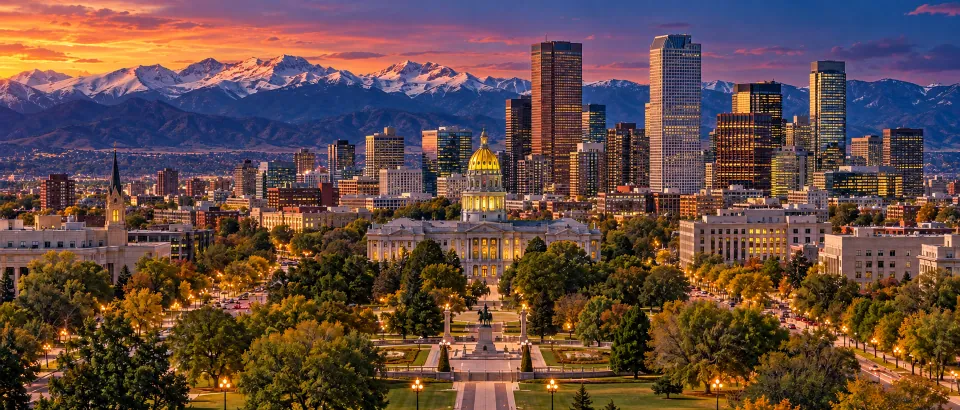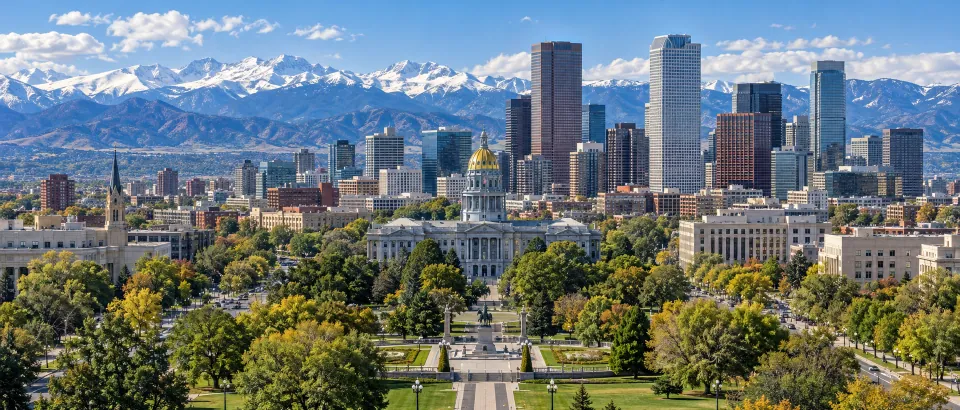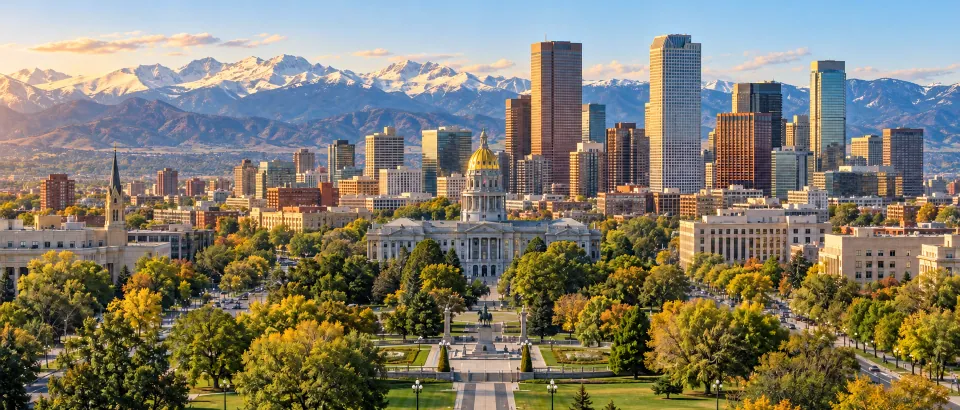














































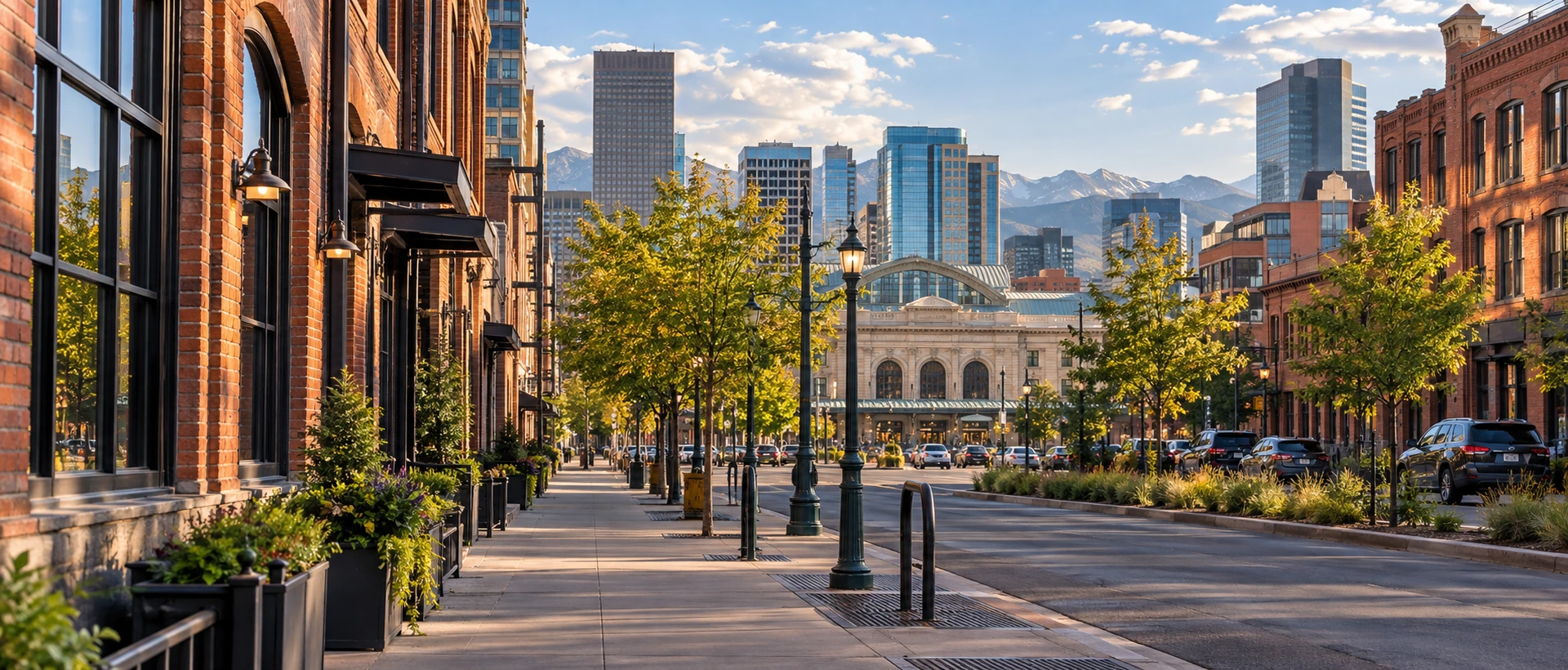
If you want to take your time walking from Denver’s LoDo to Union Station, you do not have to plan the route as one straight line. The neighborhood is compact: you can walk through Lower Downtown’s streets and rest at the station, or add the riverfront, a park, or a place to eat. How comfortable the walk feels depends on your starting point, the weather, your companions’ pace, and the day’s crowds. Before leaving, check your street and the destination entrance on a map, and allow time for detours or breaks.
When planning a walk in Denver’s LoDo, consider dividing it into three parts: from your accommodation or a restaurant to Union Station, a stroll around the station, and—if you have the energy—an extension to the Platte River and back. This gives you different options for resting inside and outside the station and lets you shorten the outing as needed. This article offers route-planning ideas; street construction, trail access, business hours, and event restrictions can change. Check current information before heading out, and use the CityTimeDate Denver city page to confirm the local date and time.
Choose a starting point and walking pace
First identify your actual starting point: it could be a hotel, restaurant, the area around Coors Field, or Union Station itself. LoDo is short for Lower Downtown, an area with many intersections and destinations, so “starting in LoDo” is not enough to determine the route. Mark your starting address, the station entrance, and the places you want to stop on the same map. Then decide whether to take the most direct street route or wander through a few extra blocks.
Think about the purpose of the walk, too: are you simply going from a restaurant to the station, hoping to see historic buildings, or looking to pause by the river? If you are with children, older adults, a wheelchair or stroller, or have luggage, prioritize an easy-to-follow route with fewer turns and convenient places to rest. A straight-line distance on a map is not the actual walking distance; intersections, construction barriers, entrance locations, and crossing options can change the route.
Plan a “basic” and an “extended” version. The basic version goes only from LoDo to Union Station, making it easier to manage. For the extended version, rest near the station, then follow a suitable public path along the river before returning to the station or your starting point. If the weather worsens, your pace slows, or an unexpected appointment comes up, use the basic version. You do not need to push on just to complete the loop you first drew.
Walk through LoDo’s streets toward the station
LoDo has historic buildings, restaurants, and shops, as well as the everyday flow of people traveling between transit hubs. Choose a few easy-to-recognize intersections as landmarks and follow the sidewalks toward Union Station. When crossing streets, follow pedestrian signals and actual traffic conditions; do not cross into traffic just because a navigation arrow points that way. If you stop to look at a building or take photos, move out of the way and watch for bicycles, delivery workers, and other pedestrians.
To explore more of the neighborhood, choose a restaurant or public artwork as a stop, then continue toward the station. VISIT DENVER’s guide to LoDo and downtown can be a starting point for learning about the area. Treat the listed businesses and itineraries as inspiration, and check current hours and services with each business. If you have a particular restaurant or event in mind, confirm the address and reservation time so you are not surprised by a different entrance or schedule.
Keep a simple rhythm: one stretch of streets, one stop, then the station. You do not need to walk every street. If you start at the station, make Union Station your clear return point and note the nearest major intersection. This is especially useful on a first visit or when you need to catch a train: even if you shorten the stroll, it will be easier to return to a familiar transit hub.
Use Union Station as a place to pause
Union Station is not just a walking destination; it is also a transit hub with restaurants and shops. Identify a place to stop in advance and plan for water, a meal, restrooms, or waiting for your companions. The station’s public spaces and individual businesses have their own rules, and hours may vary. If you plan to stay for a while, attend an event, or use a particular facility, check the latest information on the official Denver Union Station website before you go.
Using the station as a rest stop can help you decide whether to keep walking. Once you arrive, reassess your energy, the weather, and the time remaining: if you feel good, take the river extension; if you want a shorter outing, eat nearby or transfer to transit. If you will continue by train, bus, or another mode, confirm your ticket, platform, boarding location, and time buffer. The end of your walking route may not be the place where you actually board.
If you have luggage, consider its weight, the condition of the walking surface, crossing distances, and how you will enter the station. If your bags make a longer walk uncomfortable, leave them somewhere your accommodation permits or arrange suitable transport, then stroll without them. Crowds and events near the station can slow your progress, so leave a buffer instead of scheduling every section tightly.
Extend the walk to the Platte River and back
If you want to take your walk beyond the city streets, look into the direction of the Platte River and its riverfront path, then choose a short out-and-back section based on current access. Nearby Commons Park is one landmark that connects downtown with the riverfront. Check the current trail entrance, crossings, and exact destination on a map. Construction, events, weather, or maintenance may affect access, so an old itinerary or someone else’s photo is no guarantee of conditions today.
Choose a turnaround point at an easy-to-recognize entrance, bridge, or public space shown on the map. Once there, assess your remaining time and energy, then return the way you came or use another route you have confirmed is open to Union Station. If you want to make a loop, check how each road and path connects. A river, highway, railway, or closed area may separate two points that look close; map distance alone does not mean you can walk directly between them.
Riverfront walks are more affected by weather and daylight. Summer sun, rain, snow, strong winds, or slippery ground can change your expected pace. Wear suitable shoes, bring water, and confirm your return plan before sunset. If trail conditions are unclear or visibility is poor, stay on more familiar city streets. Follow a detour around closures; do not cross barriers or enter construction areas.
Adjust the stroll to your energy and the weather
Include time to look around, take photos, wait at signals, and find entrances, rather than relying only on the walking minutes shown by navigation. If people in your group walk at different speeds, use the slowest person’s comfortable pace and choose places to sit or refill water in advance. If you have a game, performance, or restaurant reservation, leave time for entry, lines, and the return trip. Do not squeeze this walk between activities without a buffer.
Denver is at a high elevation. If you have just arrived or do not usually walk much, start with a short route and decide whether to extend it after seeing how you feel. With children or older adults, shorten uninterrupted walking stretches and add more places to rest and get water. If you need an accessible route, use the map’s accessibility options and check ramps, surfaces, and entrances on site. Travelers with specific health needs should adjust their activity to suit their circumstances.
In poor weather, replace the river section with a short LoDo stroll or rest near the station; the outing can still be flexible. If sunset, temperature, or rain may affect your time outdoors, check the local forecast and daylight information and set a latest return time. Find Denver’s local time on the CityTimeDate Denver page and in the date and time tools, then confirm actual service with the transit operator and venue.
Further reading and sources
Event dates, opening hours, and transport services may change. Check official updates before you travel.