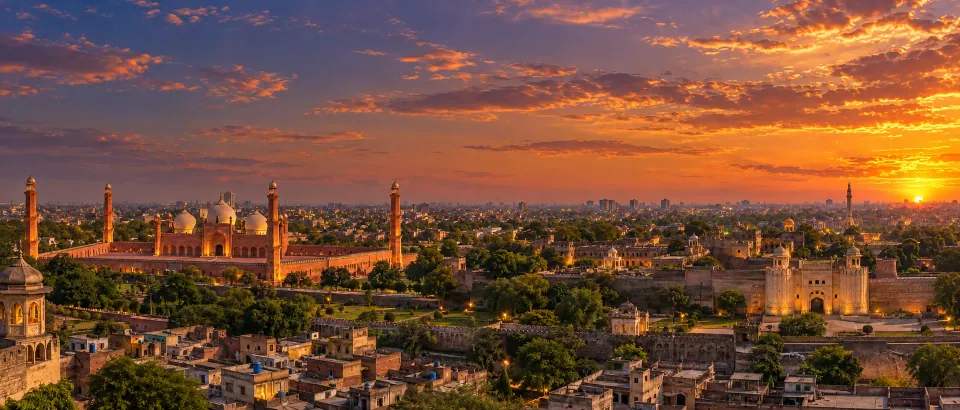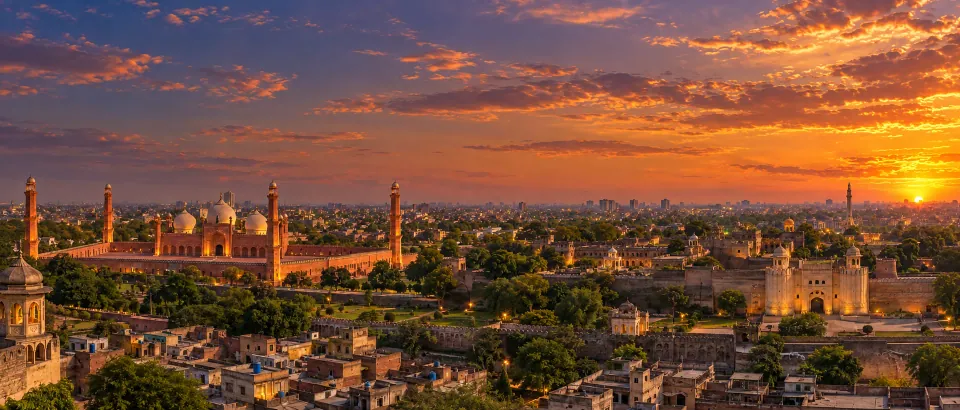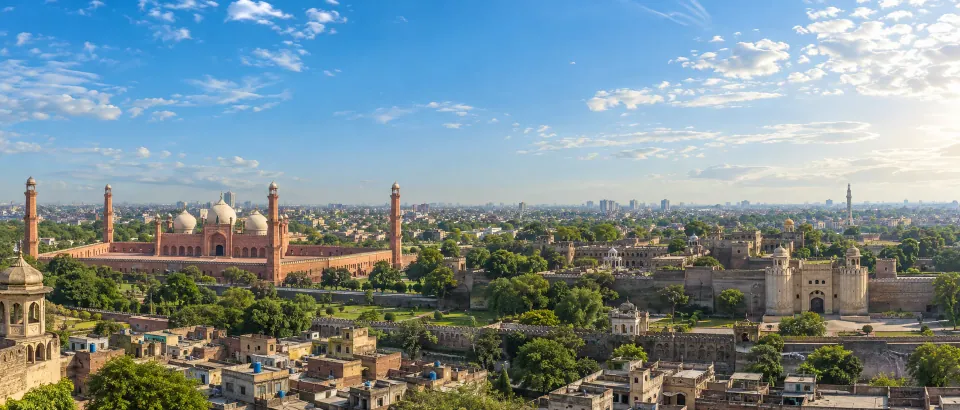














































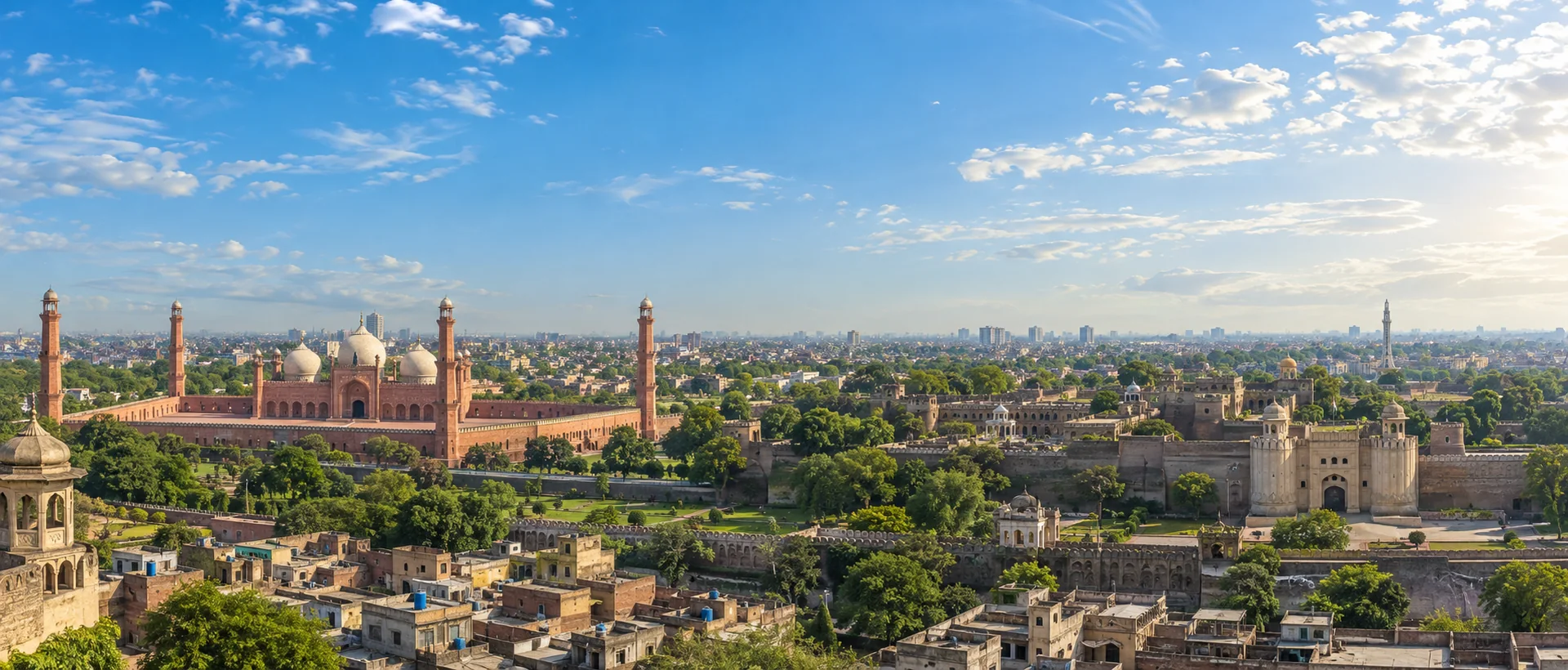
Outdoor plans in Lahore cannot be reduced to “leave in the morning and return at night.” The narrow lanes of the Walled City, open spaces around the fort, and streets facing different directions can have very different light at the same moment. Sunrise and sunset times are a starting point for planning the day; on the ground, you still need to account for building shade, clouds, walking distance, and the return trip. This guide explains how to read daylight data and turn it into a practical pace for visiting Lahore’s old city, without promising that the same view will appear at a fixed time every day.
Check the city and date before looking up sunrise and sunset
When searching, select Lahore, Pakistan, and enter the date you plan to visit. Sunrise and sunset change with the date, so a phone screenshot or a time from an earlier itinerary reflects only those conditions. If the tool accepts coordinates, use the location in the city you intend to visit; do not substitute a similarly named place or a distant airport. You can first confirm the city and local time on the CityTimeDate Lahore city page, then cross-check the astronomical data.
A daylight table may list sunrise, sunset, and twilight together, but these fields mean different things. Before reading it, check the time zone: Lahore’s current civil time is UTC+5. Some astronomy tools ask you to enter the offset from UTC yourself or select daylight saving time separately. Inconsistent settings can shift the displayed clock time even when the date is correct. Keep the lookup date, city, and time zone so that anyone travelling with you can reproduce the same result.
How daylight duration differs from usable light
Sunrise and sunset are times calculated according to astronomical definitions; they do not mean you can see the sun from every street. Nor does the interval between them mean that the entire period is suitable for a long walk. Lahore’s old city is densely built: the sun may have risen while walls still shade the lanes, while an intersection facing another direction may be in direct sun early. Use the astronomical times as a shared reference, then adjust for conditions on the street.
Twilight means that scattered light remains in the sky while the sun is below the horizon. It is not the same as street lighting or safe visibility. Building shadows, haze, and clouds all affect what you can actually see. If you plan to photograph a landmark, do not assume every corner will be clear just because a table still shows twilight. If you need to read signs, spot uneven paving, or find a narrow exit, check street lighting and your return arrangements separately instead of estimating from sunset alone.
Light in old-city lanes and open landmarks
When moving among Lahore Fort, the area around Badshahi Mosque, and the old-city lanes, divide the outing into open stretches and narrow-lane stretches. Open squares make direct sunlight easier to feel, but reflections from walls and paving can tire your eyes and body sooner. Narrow lanes may be shaded by buildings, yet not necessarily ventilated; watch for vehicles, changes in level at doorways, and entrances and exits. For either kind of stretch, a short distance on a map is not a reliable measure of the effort involved.
To observe a building façade, first check which direction it faces, then consider whether the light is falling on it from the front, side, or back. That is more useful than putting every landmark into one “photo hour.” Before taking photographs, respect the rules of religious sites and residents. Do not cross restricted areas, block a passage, or photograph people who do not wish to be included just to chase the light. This guide does not promise that a landmark will have a particular light or shadow at a particular time; the actual result depends on weather, location, and on-site visiting conditions.
Set a visiting pace with walking segments
For an old-city route, choose a small number of nearby places first, then mark each segment’s likely sun exposure, places to rest, and meeting points. Do not pack the whole day with continuous walking, and do not add a distant landmark at the last minute just because the sun has not set. Map estimates rarely capture crowds, road surfaces, finding entrances, or time spent at a site. Planning in segments gives you more flexibility than chasing the itinerary against sunset.
If you are travelling with children, older adults, or anyone who tires easily, plan around the pace of the person who needs the most rest. Check in advance for drinking water, toilets, and places to sit. Building shade moves, so a shaded spot in one photograph cannot be assumed to stay shaded all day. If anyone feels hot, dizzy, or tired, shorten the time outdoors and find a suitable place to rest; there is no need to push on just to complete the map sequence. Daylight data helps with timing, while people’s physical condition remains an important basis for adjusting the plan.
Allow time for the return and keep a record of your lookup
Before sunset approaches, know where you will meet your driver or pickup contact at a recognizable location. Old-city lanes, visitor entrances, and places where vehicles can stop may all be different places. If you have not distinguished them in advance, people travelling together can end up waiting at different gates. When contacting a driver or your accommodation, specify the landmark name, meeting point, and Lahore local time. A message saying only “pick us up before dark” is unclear because people may mean different things by dark, and the light varies from street to street.
Before setting out, keep a simple record with the visit date, sunrise and sunset source, time-zone setting, and planned time to finish outdoor walking. Check again on the day and adjust for weather and local access information. If you need to coordinate an international call, compare with the Taipei city page so you do not give a Lahore pickup contact a time copied directly from a phone displaying another location. Keeping daylight planning separate from transport confirmation makes the return plan clear as the light changes.
Further reading and sources
Event dates, opening hours, and transport services may change. Check official updates before you travel.