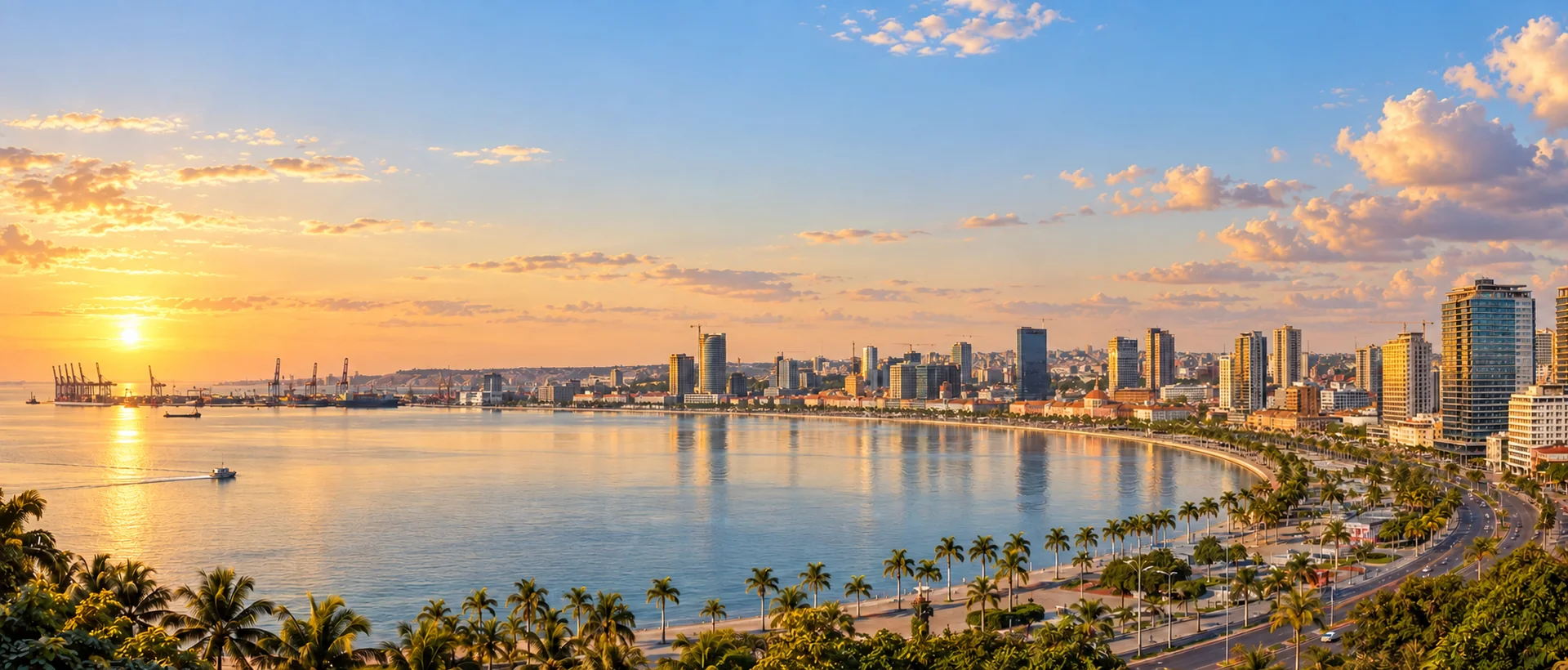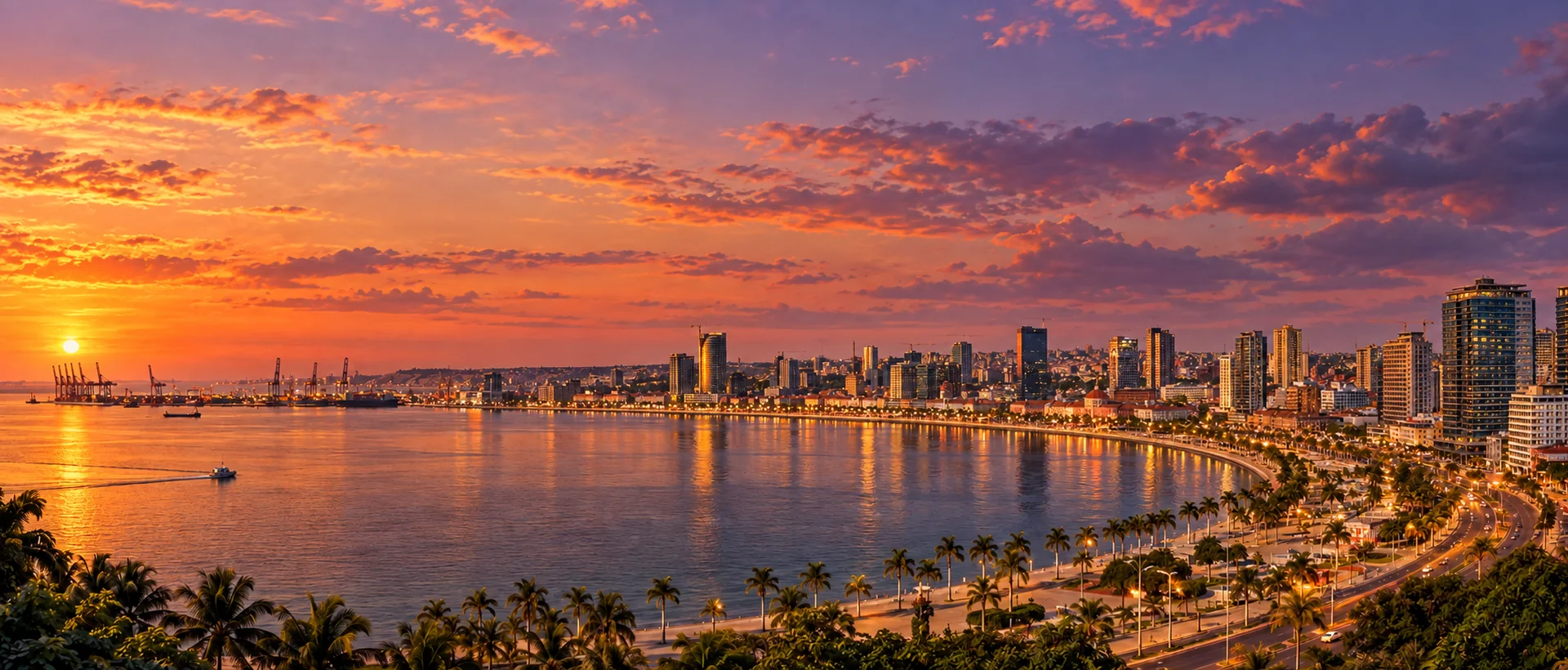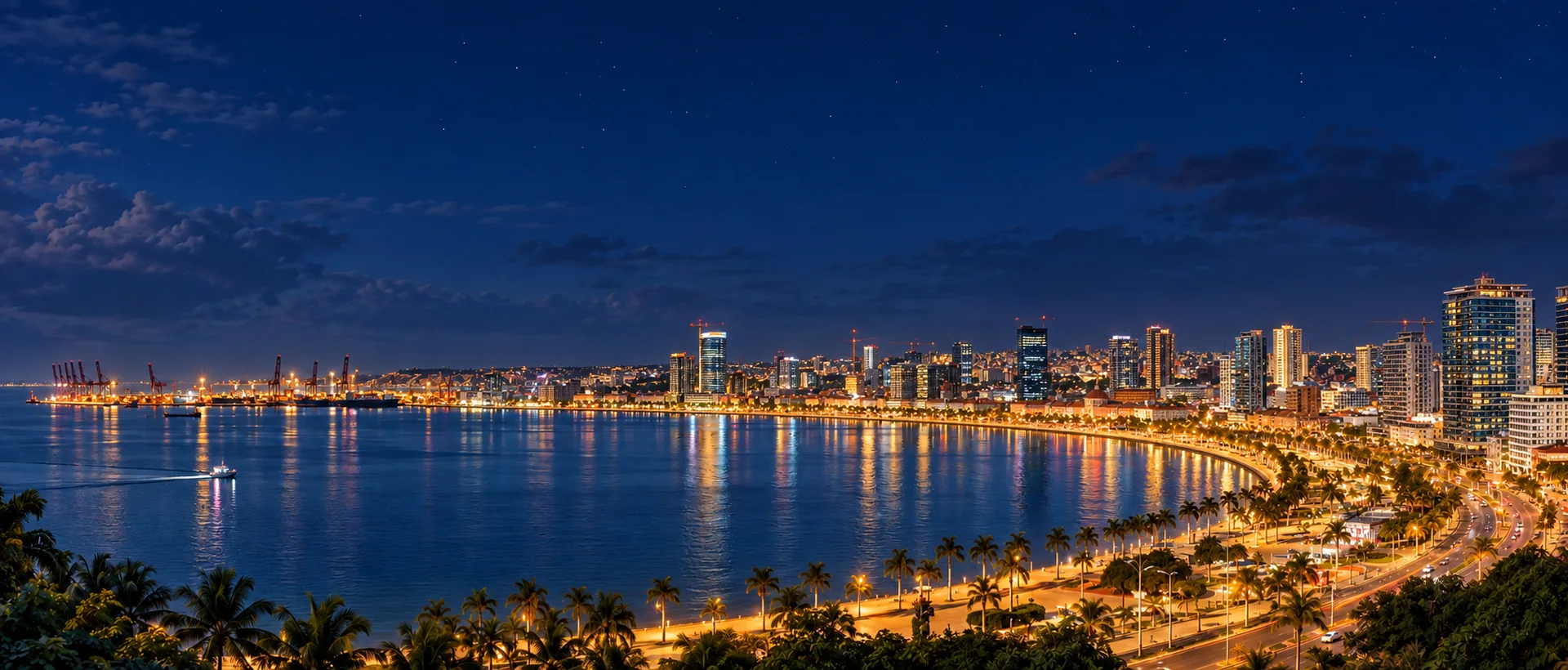














































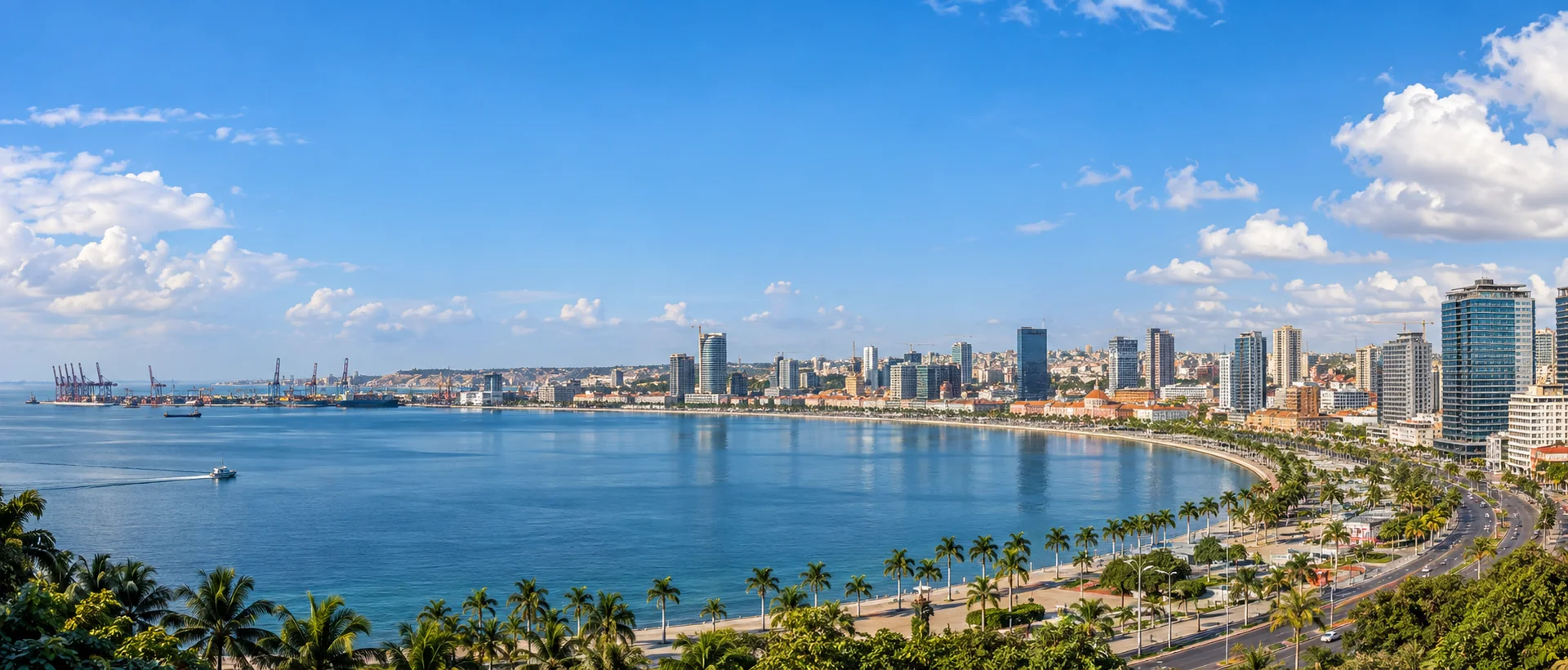
Watching the sunset over Luanda Bay takes more than checking the sunset time. You should also check the viewing direction, heat and humidity, how long you plan to stay, and how you will return after dark. The coastline, roads, buildings, and clouds can all block the horizon; an astronomical sunset time does not mean you will necessarily see the sun from a particular pier, waterfront avenue, or dining venue. This article offers a checklist for planning a sunset walk and return trip. It does not guarantee that any specific viewpoint, road, restaurant, lighting, or transport service will be available on a given date.
Confirm the date and sunset time
Look up Luanda’s sunset time for the full date, and make sure the city and time zone are Luanda, Angola and Africa/Luanda. You can check the local date on the Luanda city page, and use the Taipei city page as a time reference before departure. Do not treat “around six in the evening” as a fixed rule: the season, date, and calculation method used by the source can all affect the result.
For transport planning, treat sunset as a point in time, not as the start of a guaranteed viewing window. If you want to arrive before the sun nears the horizon, allow time to get out of the vehicle, walk, find an entrance, and choose a safe spot. Leave a buffer before and after sunset, and write Luanda’s local date and time in your itinerary so it is not confused with a different date shown on a Taipei calendar.
Use direction and on-site obstructions to assess the view
Sunset generally occurs in the west, but its direction shifts during the year, and whether a stretch of coast faces the sunset depends on your exact location. A bay’s name on a map does not guarantee an unobstructed view along the whole shore. Buildings, palm trees, seawalls, boats, and clouds may block the last light. Once you arrive, stand somewhere that does not obstruct others, check the actual horizon, and then decide whether to move to a better position.
Do not cross a closed area, enter private property, or walk beside traffic to chase the sunset. When taking photos, watch your footing on uneven steps and slippery surfaces. Treat exposure changes as a photography issue; the colors in an image do not prove the astronomical time. If anyone in your group is a child or walks more slowly, choose a viewing spot you can leave before dark.
Plan arrival, viewing, and departure as three stages
Divide the outing into three stages: arriving and finding a place to watch, staying for the sunset, and leaving for the return trip. On arrival, identify the meeting point, restroom, drinking water, and a place where you can pause. During the viewing, avoid spreading the group out so far that people cannot see one another. When leaving, meet at the agreed exit or road. This plan helps you depart as intended even if clouds block the view or sunset comes earlier than expected.
If you need a meal or an indoor break, do not rely on map distance alone. Check whether the venue is open, where its entrance is, how payment works, and where your return pickup will be. A short coastal distance can take longer because of construction, crowds, intersections, or slopes. Save the actual route from the viewpoint to the meeting point in an offline map, and keep a confirmed alternative route. Do not wait until dark to explore unfamiliar lanes.
Prepare for heat, sea breezes, and changing weather
Coastal activities can be affected by heat, humidity, sea breezes, and sudden rain. Before leaving, check the day’s weather and air conditions, and bring enough drinking water, sun protection, a light jacket, and contact details you can identify easily. If the ground is slippery, the wind strengthens, or someone feels unwell, move to a safe, well-lit place with staff nearby. Do not extend the visit just to wait for the last light.
Set a Plan B that still works without a sunset, such as returning to your accommodation early, dining indoors, visiting a venue whose opening has been confirmed, or taking a daytime coastal walk instead. The backup should include a way to return and a contact person; “we’ll decide later” is not a plan. If you are using a short pickup ride, confirm which roads the vehicle can reach and the exact place to get in or out. Do not assume a vehicle can stop beside the waterfront path.
Plan your return and meeting point after dark
Set your departure time based on visibility after sunset, road lighting, and traffic, rather than waiting until it is completely dark. Save the phone numbers of your driver, accommodation, or travel companions separately. Describe your location using the street name, landmark, entrance, and meeting point. Do not send only a map screenshot: it may not show which side of an entrance you are on, and different people may go to different roads.
If someone gets separated from the group, return to the agreed, easy-to-recognize meeting point instead of searching along the coast separately. Check the vehicle’s plate, the driver’s name, and the booking details before getting in, and tell the rest of the group when you have left. Traffic, weather, connectivity, and phone battery can all affect the return time. A backup option you can cancel is safer than insisting on the original viewing order.
Further reading and sources
Event dates, opening hours, and transport services may change. Check official updates before you travel.