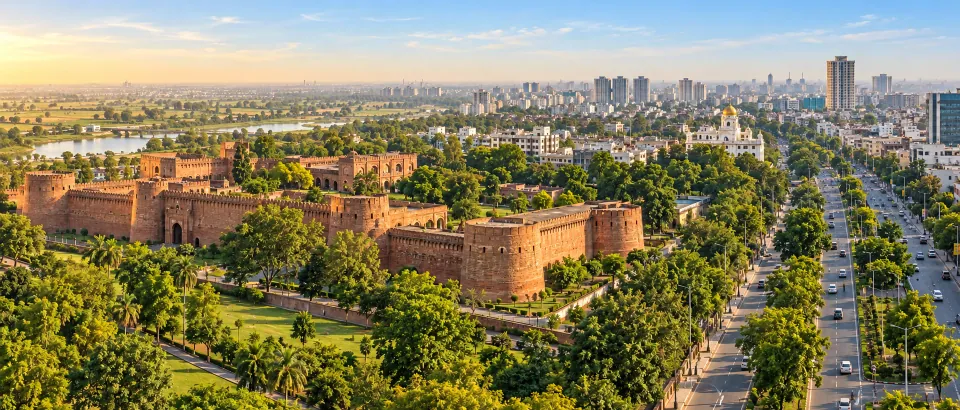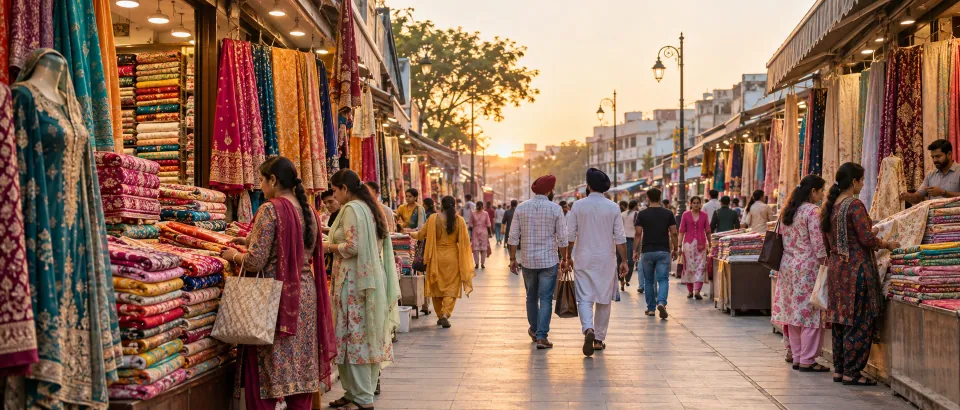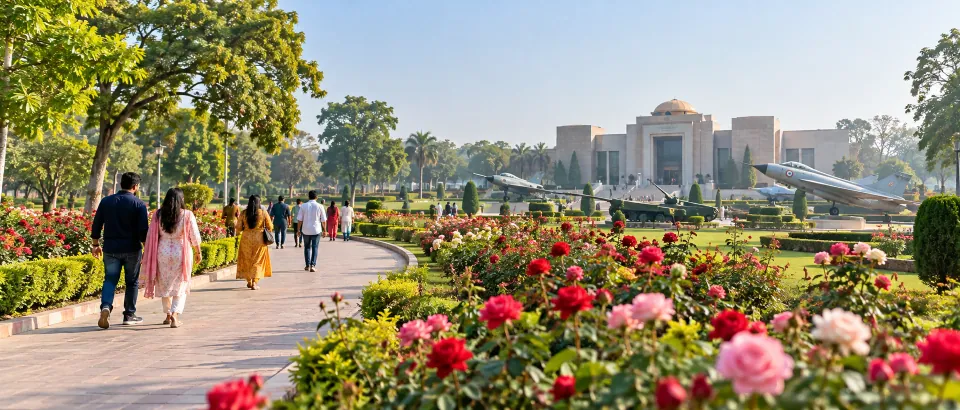














































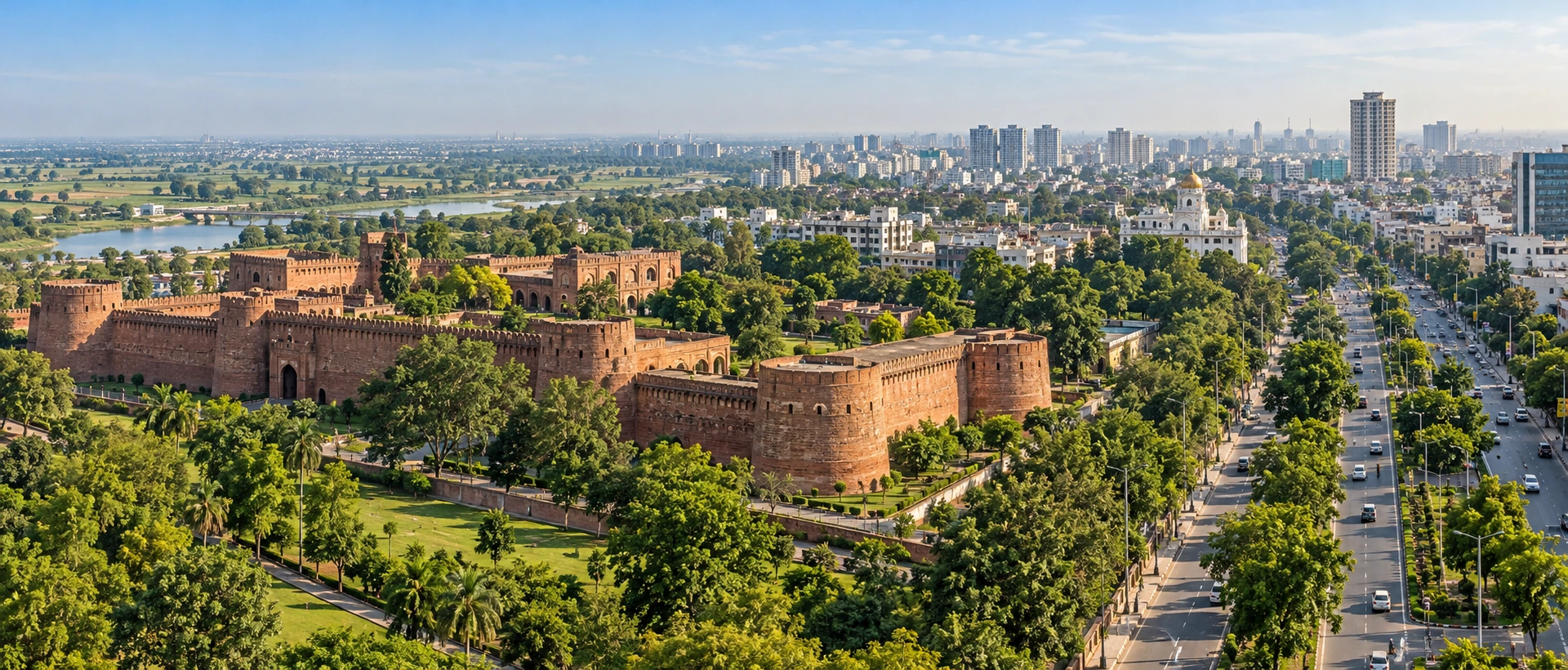
While staying in Ludhiana, sunrise and sunset information can help you schedule outdoor walks, shopping visits, and the return to your accommodation. This city in Punjab uses India Standard Time, but clock time alone does not show how much sunlight reaches each street. Residential lanes, central roads, and more open spaces may feel brighter or more shaded at the same time. After checking sunrise or sunset, also consider your destination, the weather, and how you will return.
This guide focuses on everyday travel: which details to check, what day length means, and how to use the information around factory visits or a city walk. Start by confirming the city and local time on the CityTimeDate Ludhiana city page, then check the date of your trip. This article does not give a fixed sunrise time or treat any one clock time as a year-round outing plan.
Check the City, Date, and Time Zone First
When checking sunrise and sunset, first make sure the result is for Ludhiana in the Indian state of Punjab. CityTimeDate lists a reference location near 30.91204° N, 75.85379° E, with the time-zone identifier Asia/Kolkata. If you use a coordinate-based tool, check the order of latitude and longitude fields and the north/east direction settings. Do not assume that your accommodation, a nearby town, or another search result with the same name represents Ludhiana city without verifying it.
Next, choose the actual local date of your trip and check whether the result uses India Standard Time. If a tool shows UTC, convert it to local time before copying the numbers into a pickup message. Taipei and Ludhiana have different clock times; near midnight, also confirm which location's date you selected. Save the city, date, and time zone together so screenshots or details forwarded to travel companions retain the search context.
How Should Sunrise, Sunset, and Day Length Be Interpreted?
Sunrise and sunset are times calculated according to astronomical definitions and an observing location. They are not necessarily the exact moments when you first or last see the Sun on every street. Day length usually means the interval between sunrise and sunset, and is useful for comparing the approximate window available for outdoor plans. It is not the actual number of sunshine hours recorded by weather stations, nor does it mean the whole interval will be free of clouds, rain, or building shade. When reading different websites, check the field definitions so you do not mix these concepts.
Twilight may continue after sunset, but brightness changes with the weather and surroundings. If your plans require you to see curbs, steps, vehicles, or a meeting point, do not treat twilight as a guarantee of adequate walking light. For most city outings, sunset is better used as a reminder to check your return arrangements: confirm pickup contacts, the return entrance, and your accommodation address. Avoid filling every minute of the schedule until the road is hard to see and only then looking for a ride.
How Should You Divide Daylight Between Visits and City Walks?
For shopping or factory visits in Ludhiana, confirmed appointments usually form the backbone of the day; walks and city shopping can fit into flexible gaps. Mark confirmed appointment addresses on a map, then distinguish routes suitable for walking from those that require a ride. Daylight information shows the broad window available that day, but it cannot replace a host's schedule or establish that a workshop or shop opens after sunrise. Arrange access to a workplace with the host in advance.
If your accommodation and appointment are far apart, plan a short walk in one area instead of repeatedly crossing the city to visit separate sights. For market streets, first choose a meeting intersection and the direction for returning. For a park or a more open urban space, include arrival, a rest, and the return trip in the same time block. Use daylight information to leave room in the schedule, rather than promising that every journey will be completed at a particular time.
How Do Weather, Buildings, and Viewpoints Affect Conditions?
Astronomical data provides a consistent reference, while actual light also depends on cloud cover, visibility, and obstructions at the horizon. Buildings, walls, trees, and street direction in Ludhiana may put part of a route in shade early, or keep you from seeing the Sun even after the calculated sunrise. For an ordinary walk, you usually do not need to chase the precise instant the solar disk appears. A route with convenient places to pause, cross the street, and turn back is often more useful.
If you want to photograph the city, first check that the viewpoint is accessible and that rooftops or tall buildings do not block the direction you want to face. Streets with different orientations have different light; sunset time alone cannot determine a composition. In high heat, rain, or poor visibility, you can switch to an indoor meal, a scheduled visit, or a short activity near your accommodation. On-site conditions determine whether you can see the evening Sun; a sunset table cannot promise an ideal sky that day.
How Should You Plan the Return With Children or Older Adults?
When travelling with children or older adults, include time for rests and getting in and out of vehicles in your daylight plan. Even a short route on a map may involve detours, steps, uneven surfaces, or passages that are difficult to navigate with a stroller. Choose a route that is easy to reverse, and plan water, meals, and waiting for transport at familiar places. If a companion uses a wheelchair or another mobility aid, confirm entrance conditions with your accommodation or host; daylight alone does not mean a route is accessible.
Set a return-time buffer based on your companions' pace, pickup arrangements, and familiarity with the route; there is no fixed number of minutes that works for the whole city. Before leaving, save your accommodation's name, address, and contact details, and share the meeting point with your companions. To look up another date, find the date feature in the tools directory, then return to the Ludhiana city page to confirm local time. Recheck actual lighting, weather, and traffic conditions on site.
Further reading and sources
Event dates, opening hours, and transport services may change. Check official updates before you travel.